America 250 - The Official Flag and Merchandise For The Occasion
In 2026, the United States of America will mark an extraordinary milestone: 250 years since the signing of the Declaration of Independence in 1776. This historic occasion has been named "America 250" and is a time to celebrate the underdog that became a thriving giant.
At Gettysburg Flag Works, we are proud to commemorate this monumental anniversary with a range of products, stories, and initiatives that we will be announcing very soon!
While you wait, explore our American flag content and learn about our story, our causes and our craftsmanship.
Best Sellers for America's 250th Birthday

The Official America 250 Flag
Starting at $19.95

1776 - 2026 Betsy Ross Embroidered American Flag
$79.95

Betsy Ross 250 Limited Edition Commemorative Flag
$99.95

America 250 Limited Edition Indoor Commemorative Flag
$99.95
Historic Moments In 1775

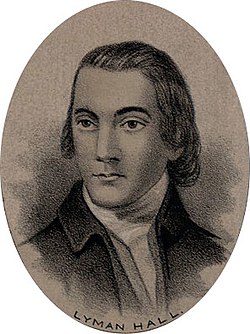
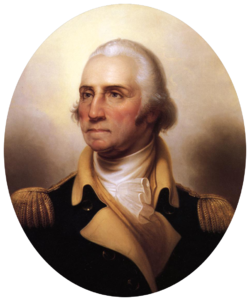
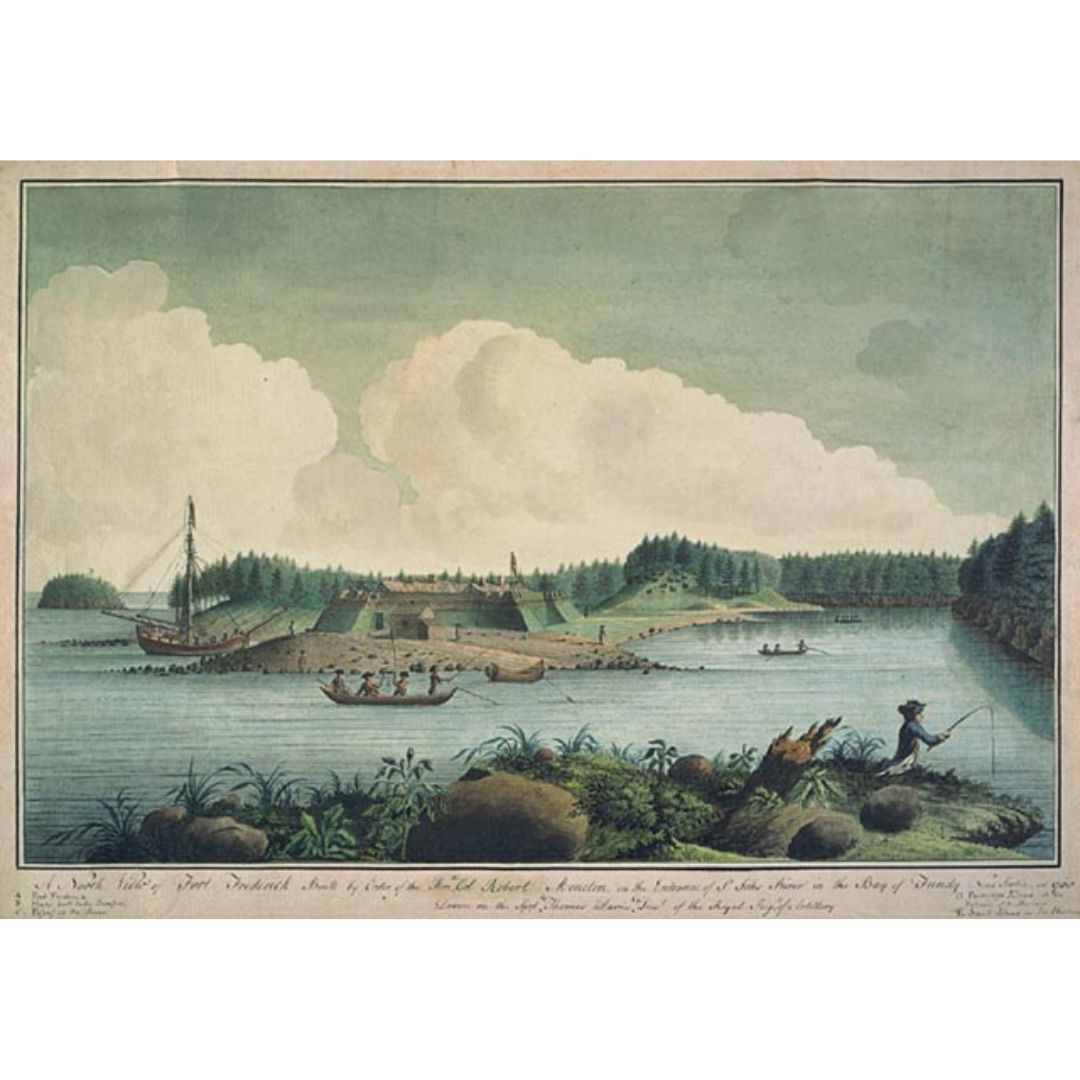
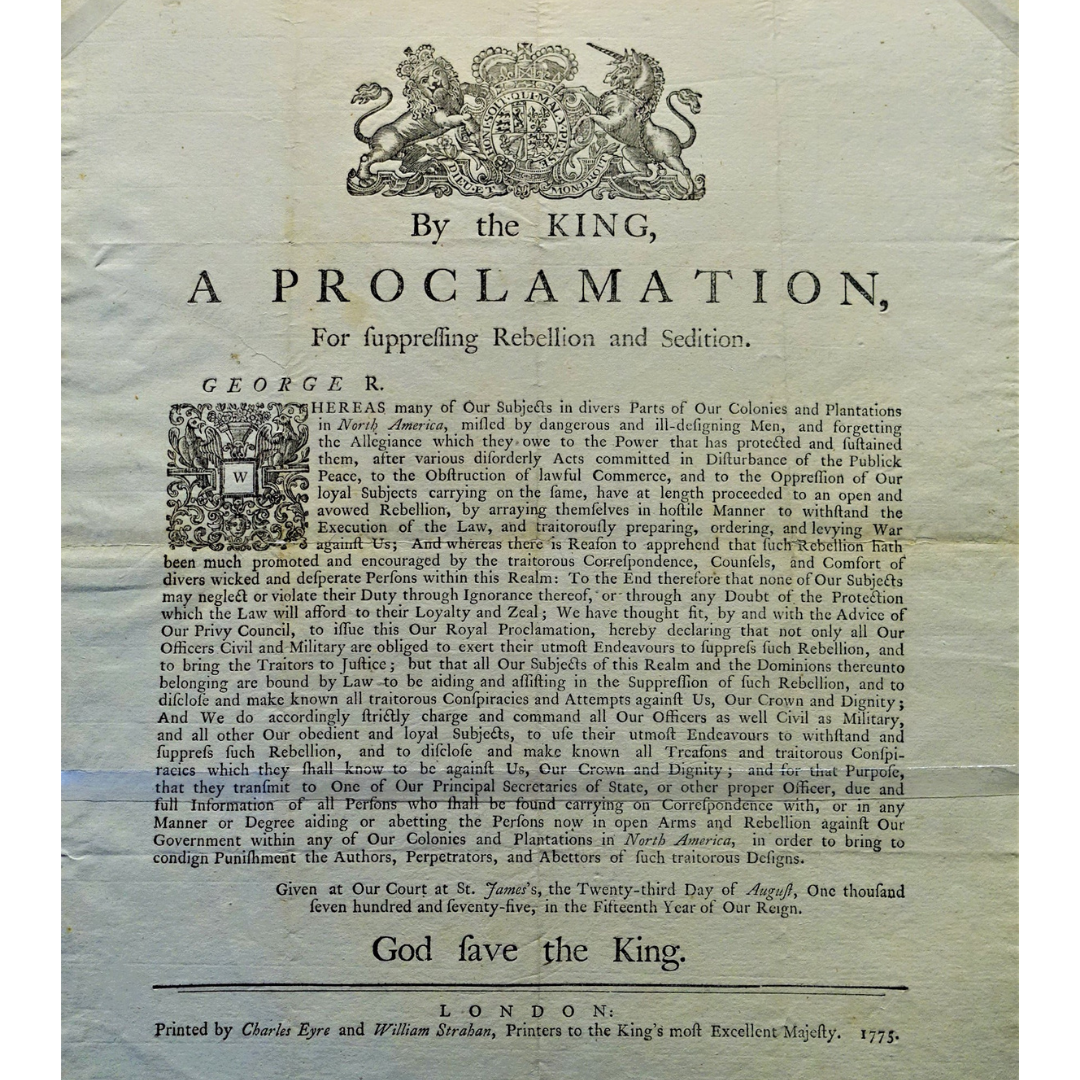
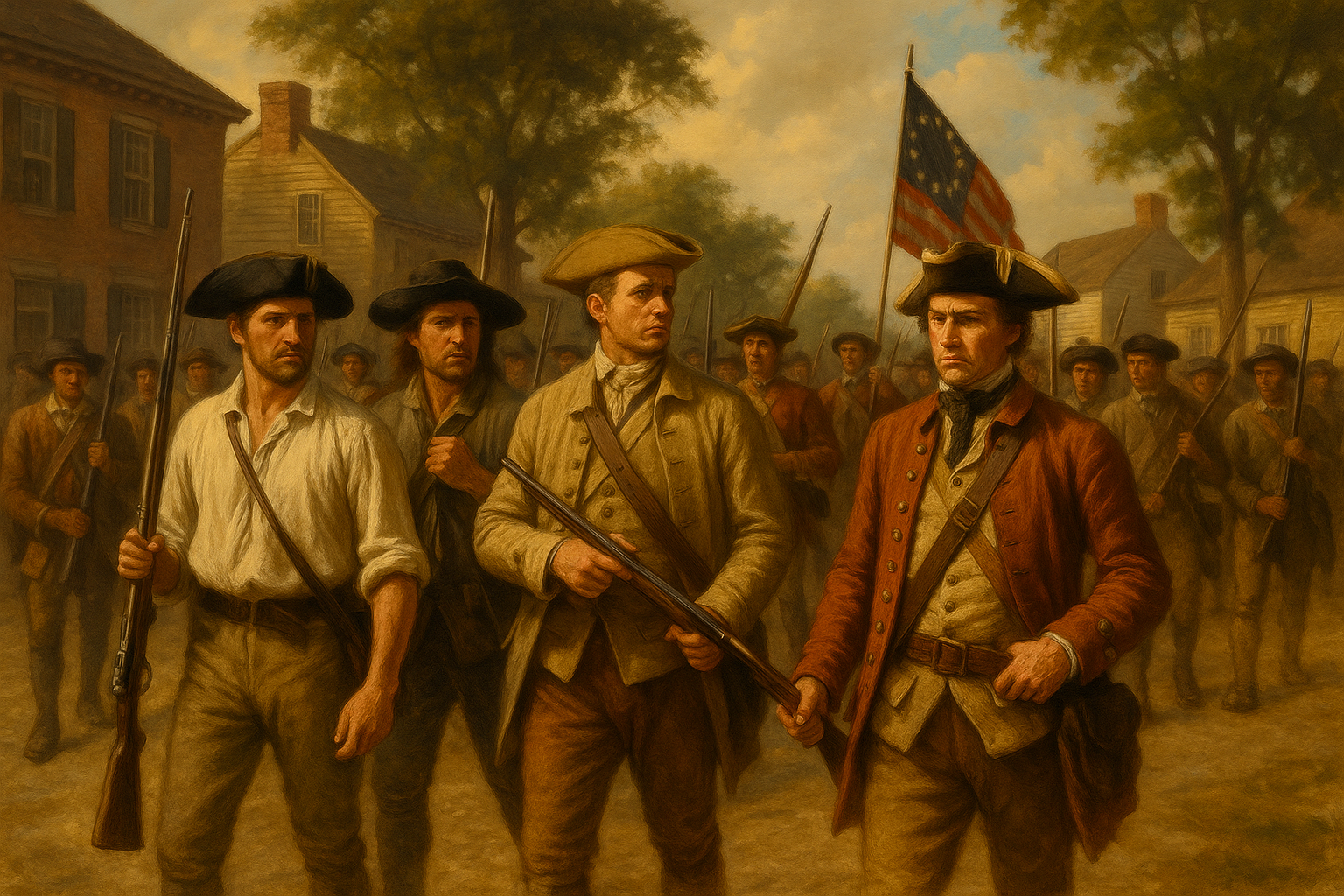
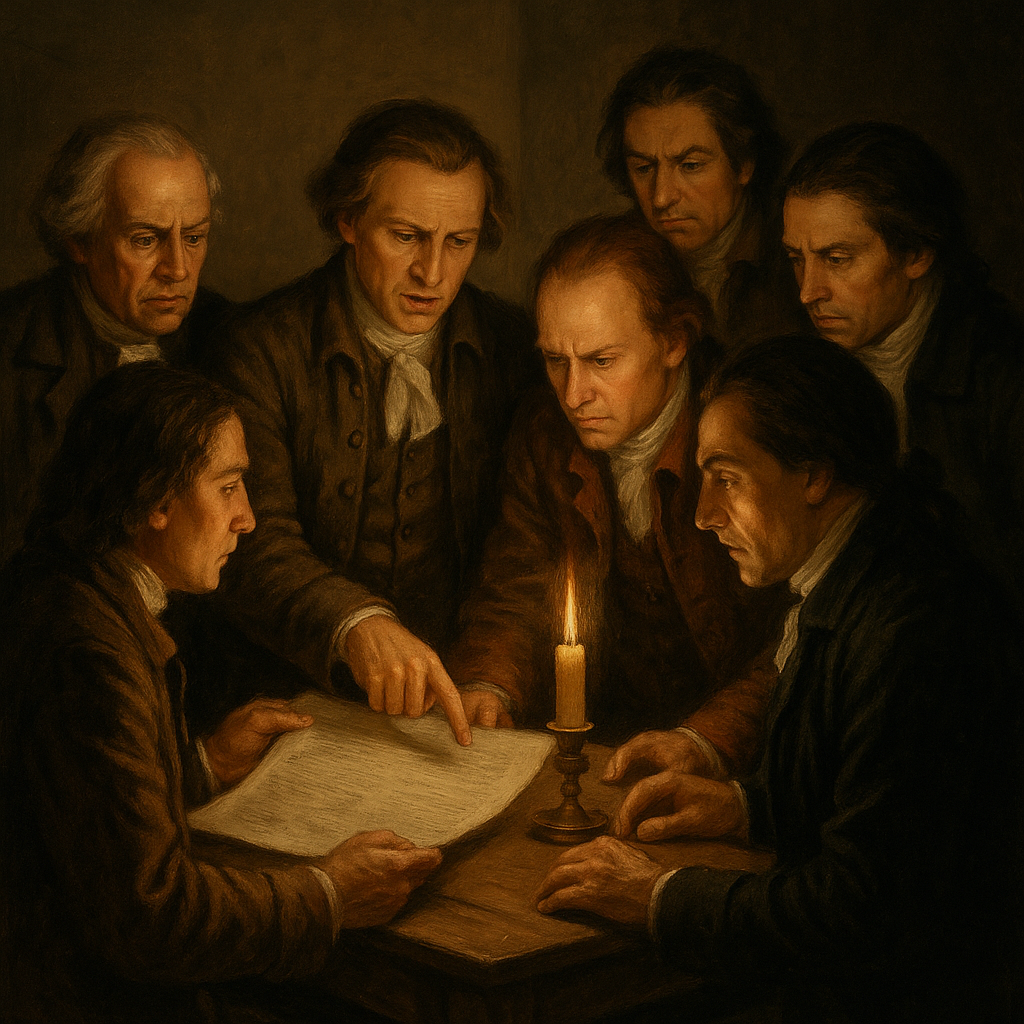
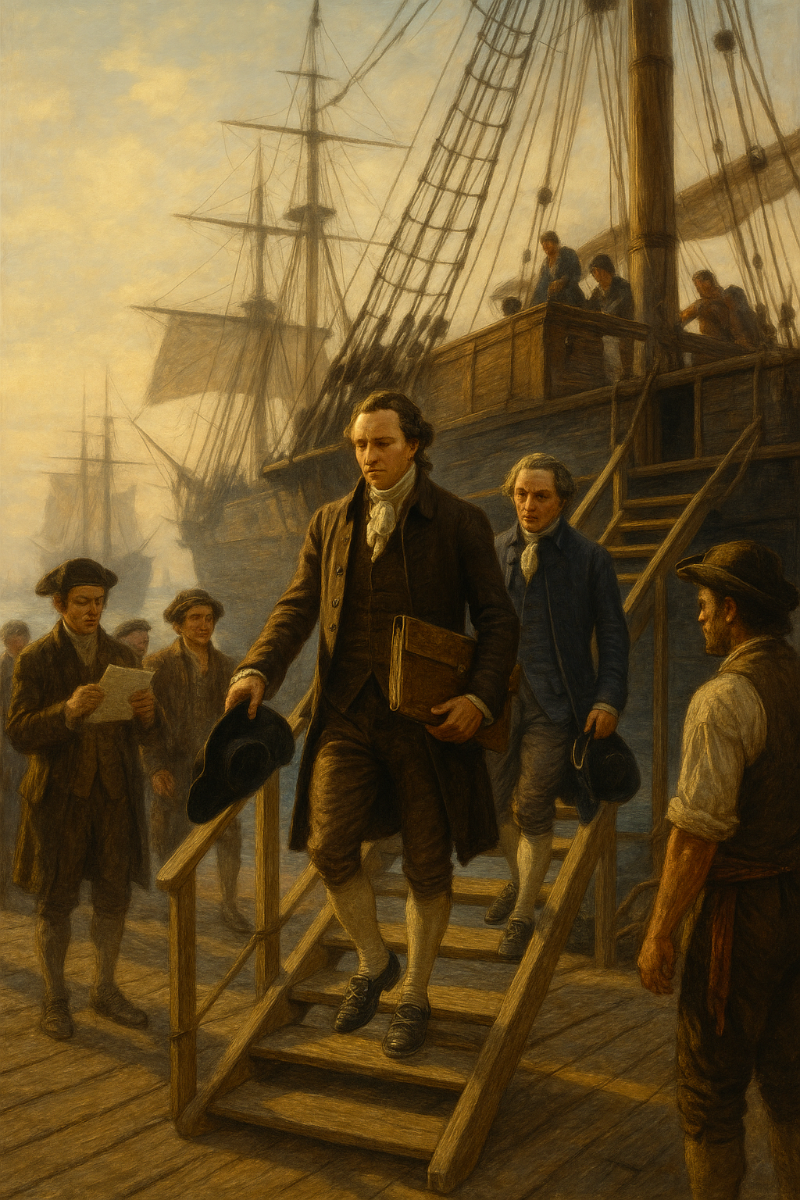
January 2, 1775
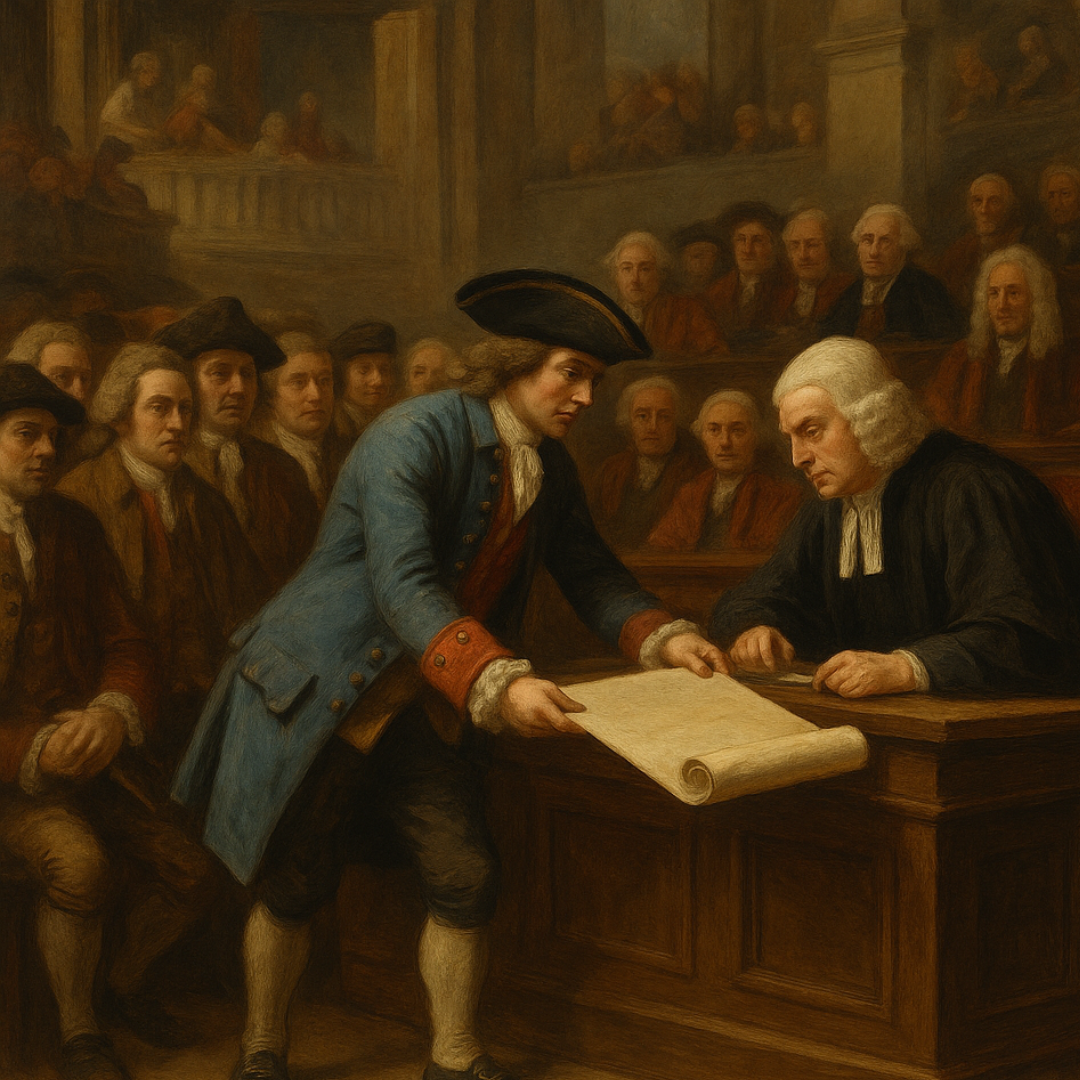
New England Restraining Act Drafted
Parliament begins drafting legislation to economically isolate New England and restrict its maritime trade.
January 9, 1775
London Merchants Petition Parliament
British merchants urge Parliament to avoid war with the colonies to protect transatlantic trade.
January 17, 1775
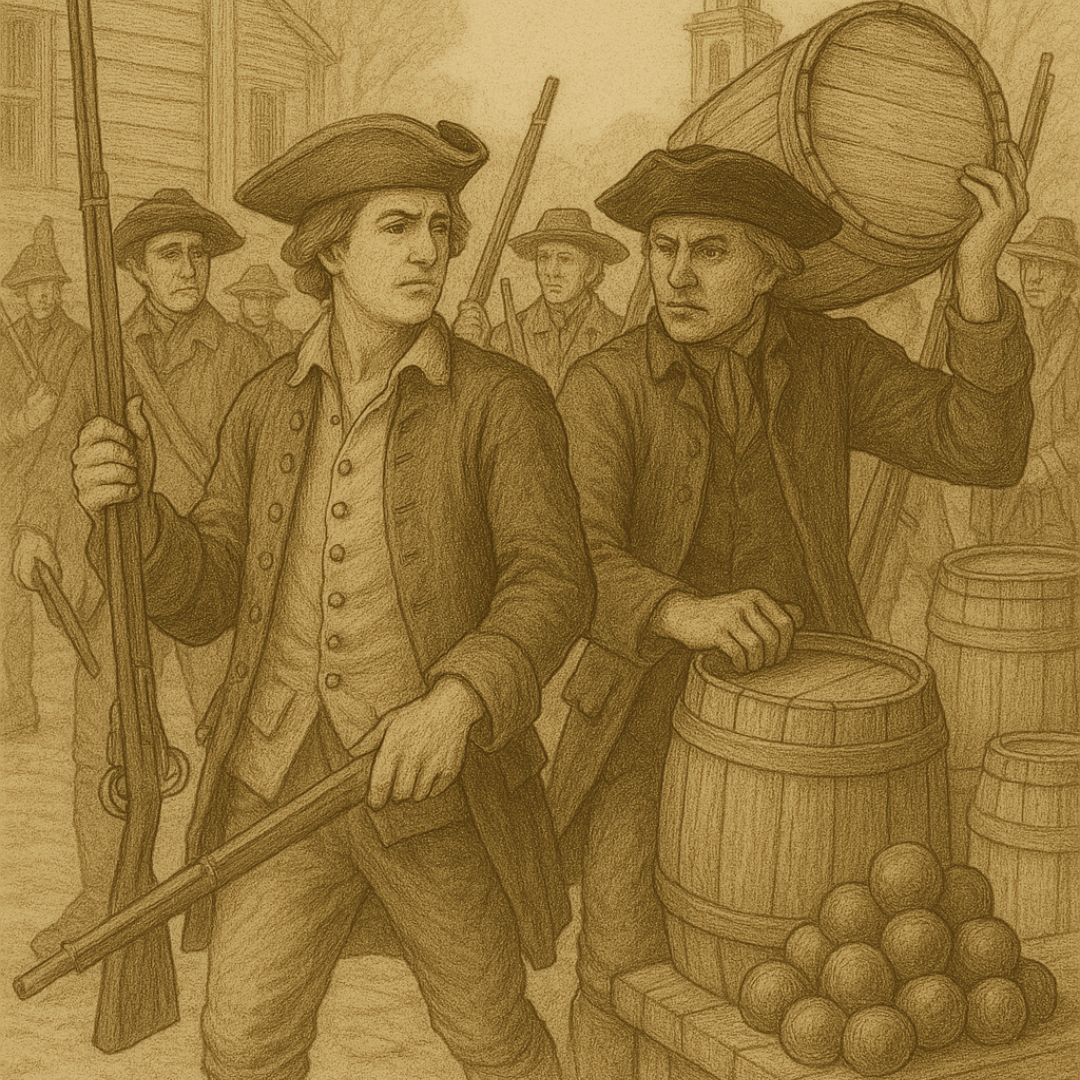
Militias Expand Drilling and Arms Stockpiling
Colonial militias across Massachusetts and Virginia intensify training and weapons preparation.
January 25, 1775
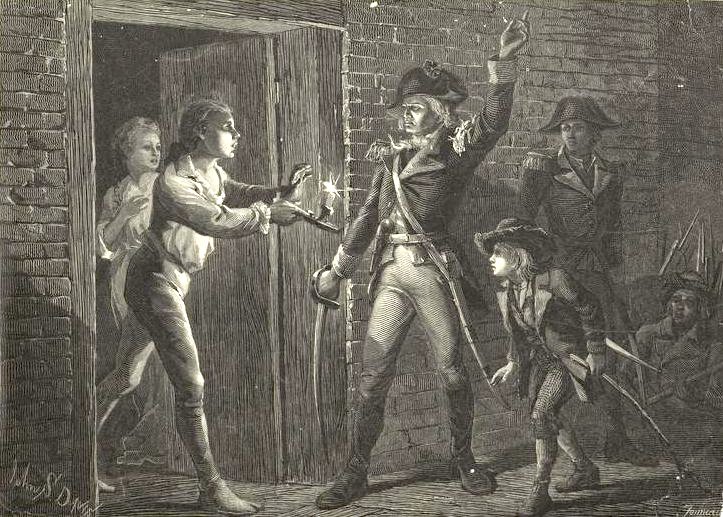
British Respond to Fort William and Mary Raid
British officials investigate the colonial seizure of arms from a New Hampshire fort the previous month.
January 31, 1775
Committees of Safety and Correspondence Grow in Power
Patriot-led committees assume local control, enforcing boycotts and organizing defenses.
February 1, 1775
Massachusetts Provincial Congress Expands Militia Preparations
The Massachusetts Provincial Congress orders town militias to be ready to act "at a minute's warning," strengthening the Minutemen structure.
February 2, 1775
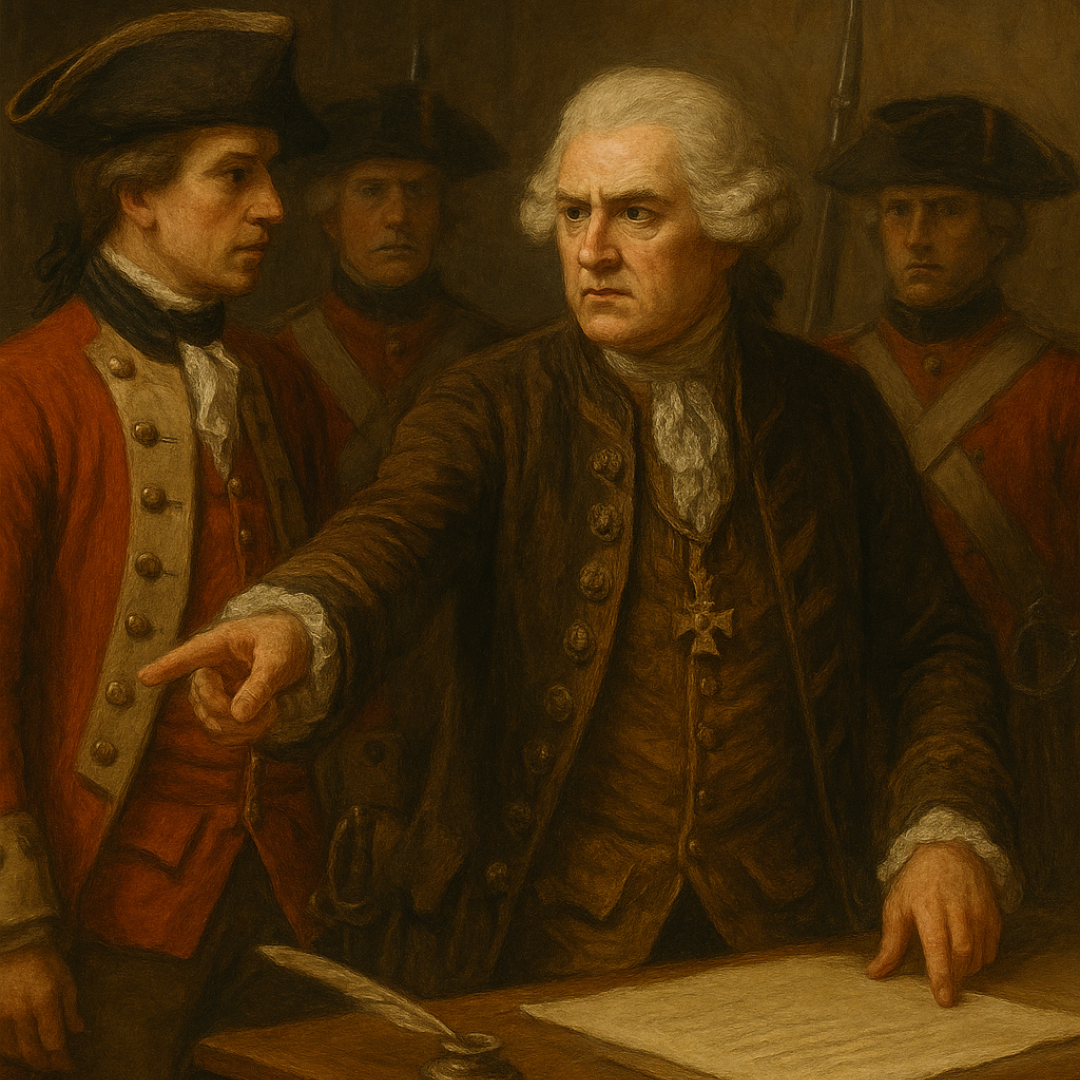
Lord Dartmouth Orders British Troops to Arrest Rebel Leaders
British Secretary of State Lord Dartmouth secretly instructs General Gage to arrest leading Patriots like John Hancock and Samuel Adams.
February 9, 1775
Parliament Declares Massachusetts in Rebellion
King George III and Parliament formally declare Massachusetts to be in a state of rebellion, authorizing military action.
February 15, 1775
New Hampshire Establishes Its Own Governmental Council
In response to growing unrest, New Hampshire forms an autonomous council to govern independently of the royal governor.
February 22, 1775
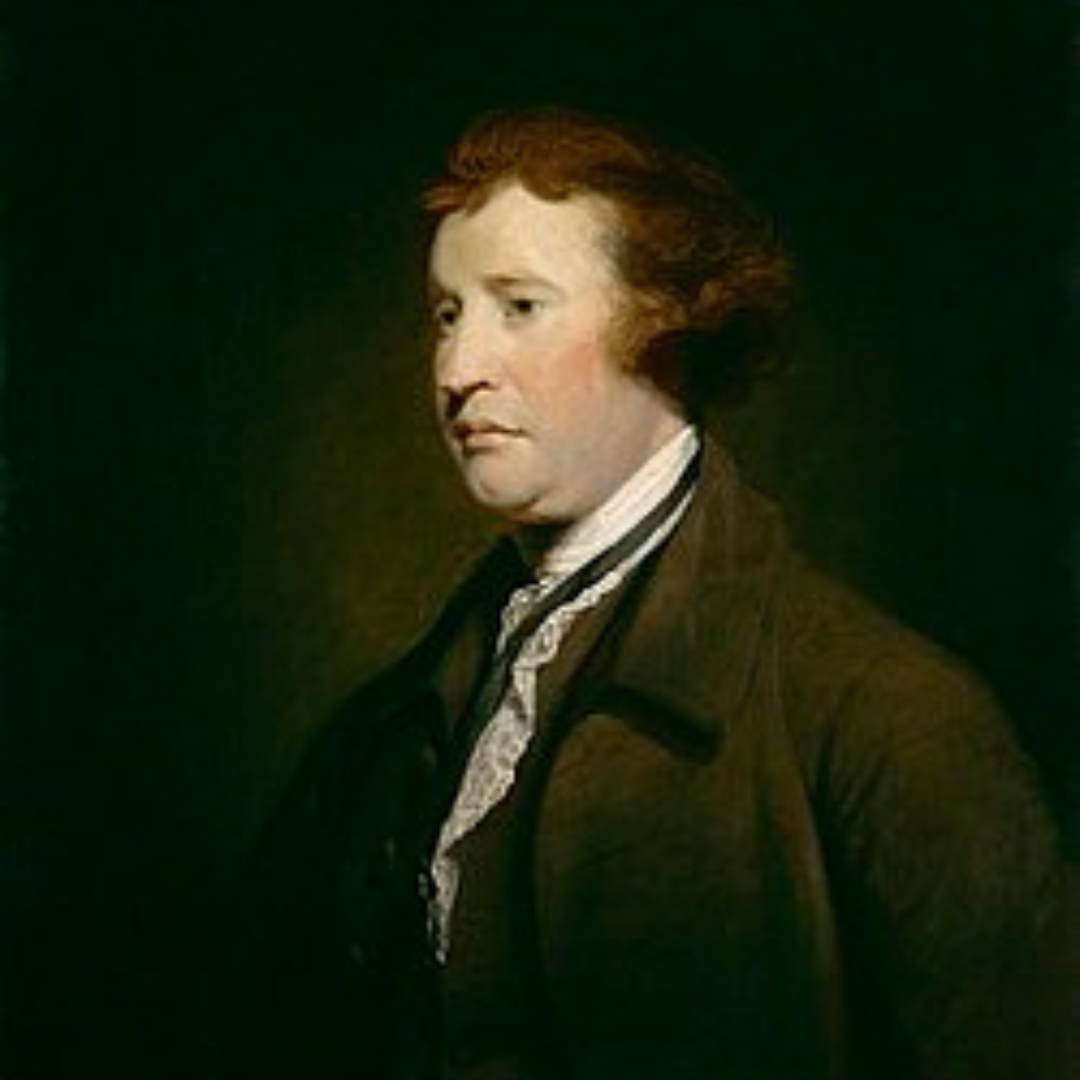
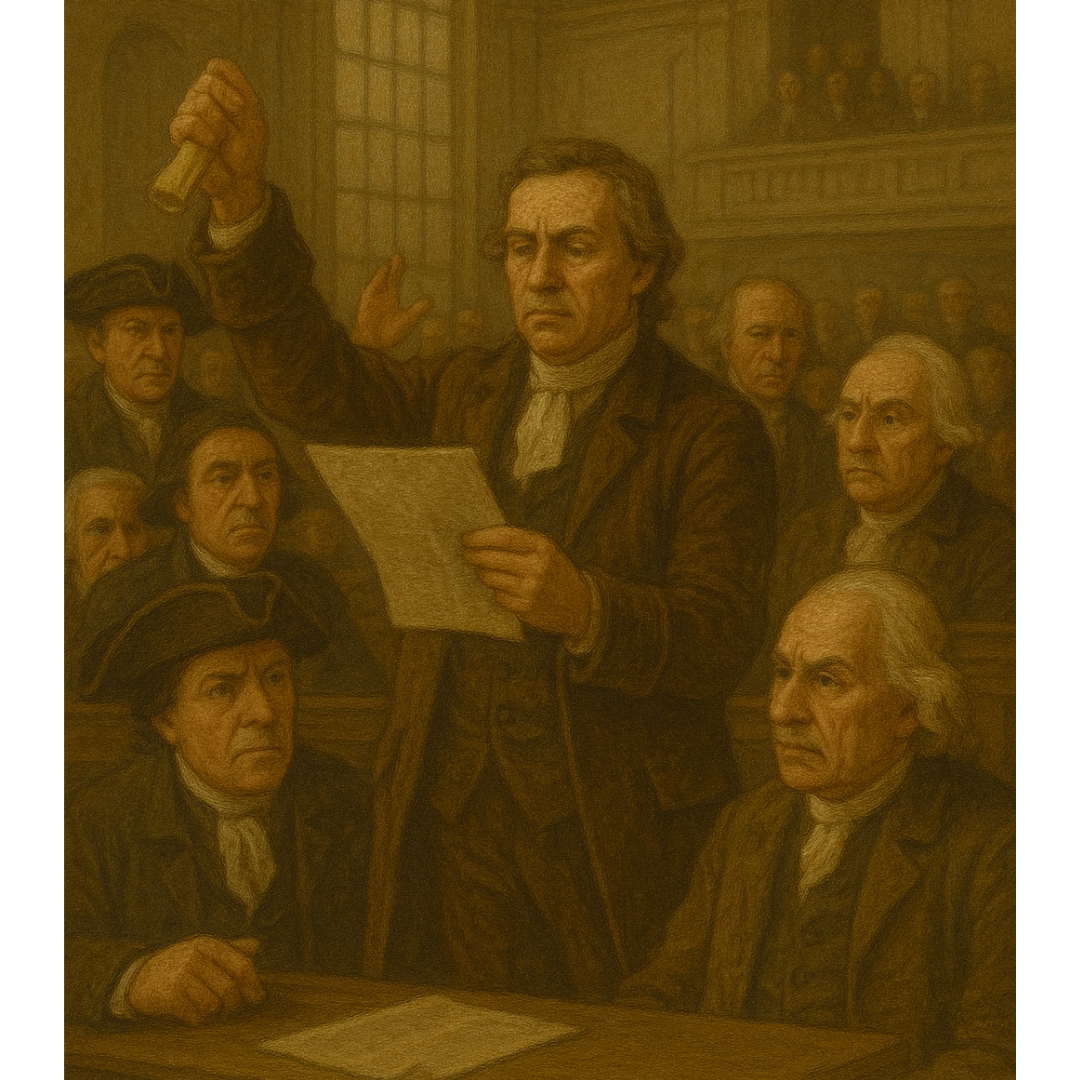
Edmund Burke's "Conciliation with the Colonies" Speech
British MP Edmund Burke proposes a peaceful resolution with the colonies, urging compromise to preserve the empire—his motion is rejected.
February 28, 1775
British Navy Monitors Colonial Ports for Smuggling and Military Activity
British ships tighten surveillance of New England harbors, enforcing customs duties and searching for illegal arms shipments.
March 6, 1775
South Carolina Forms a Committee of Safety
Charleston Patriots create a powerful local committee to coordinate military defense and enforce anti-British measures.
March 9, 1775
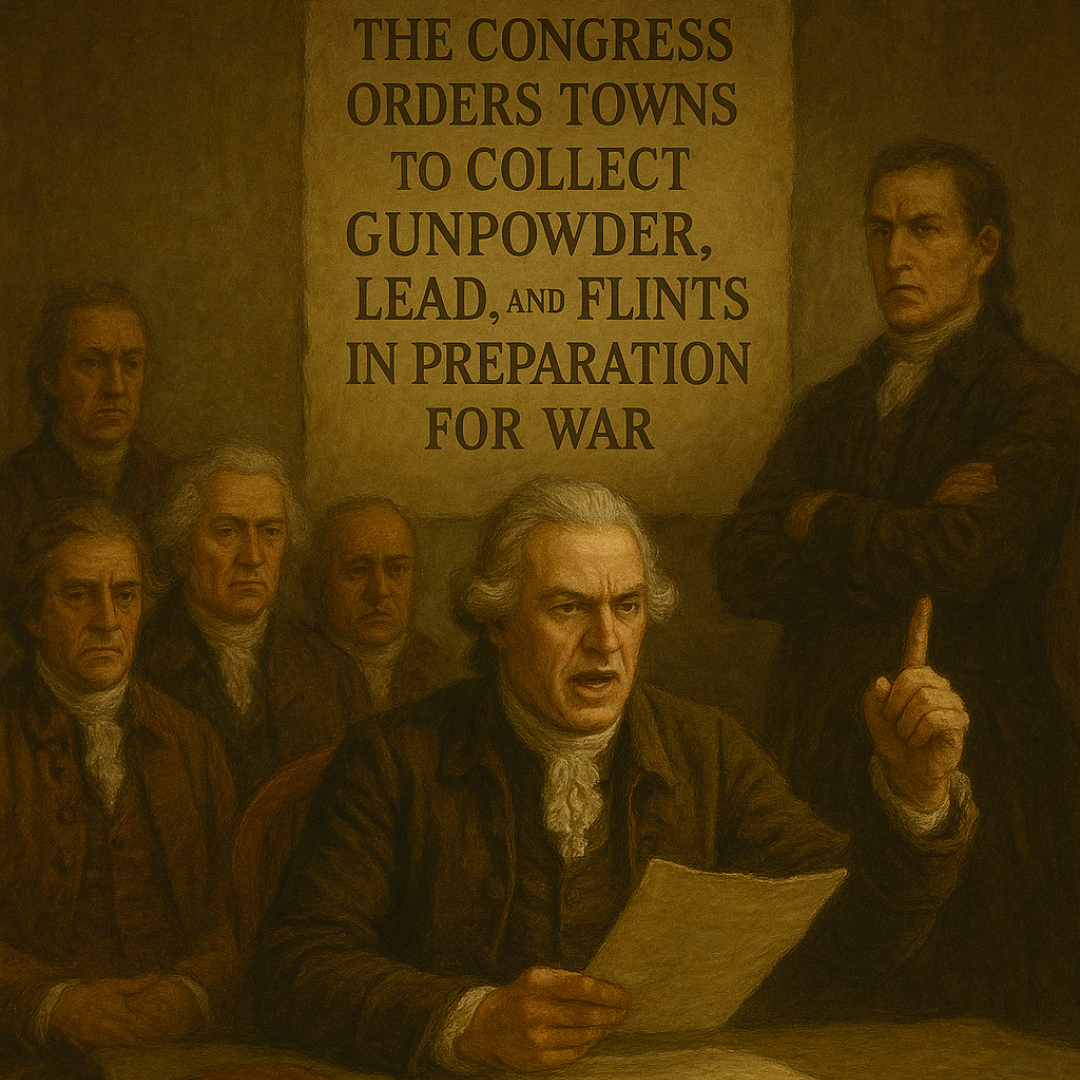
Massachusetts Provincial Congress Calls for Arms Buildup
The Congress orders towns to collect gunpowder, lead, and flints in preparation for war.
March 13, 1775
Virginia Convention Calls for Defensive Measures
Delegates in Virginia call for county militias to prepare for possible conflict and endorse defensive mobilization.
March 18, 1775
Parliament Passes the New England Restraining Act
Officially approved by Parliament, this act cuts off New England's trade with all but Britain and the West Indies.
March 20–27, 1775
Second Virginia Convention Meets in Richmond
Delegates debate resistance and armament; key political turning point for the South’s revolutionary commitment.
March 23, 1775
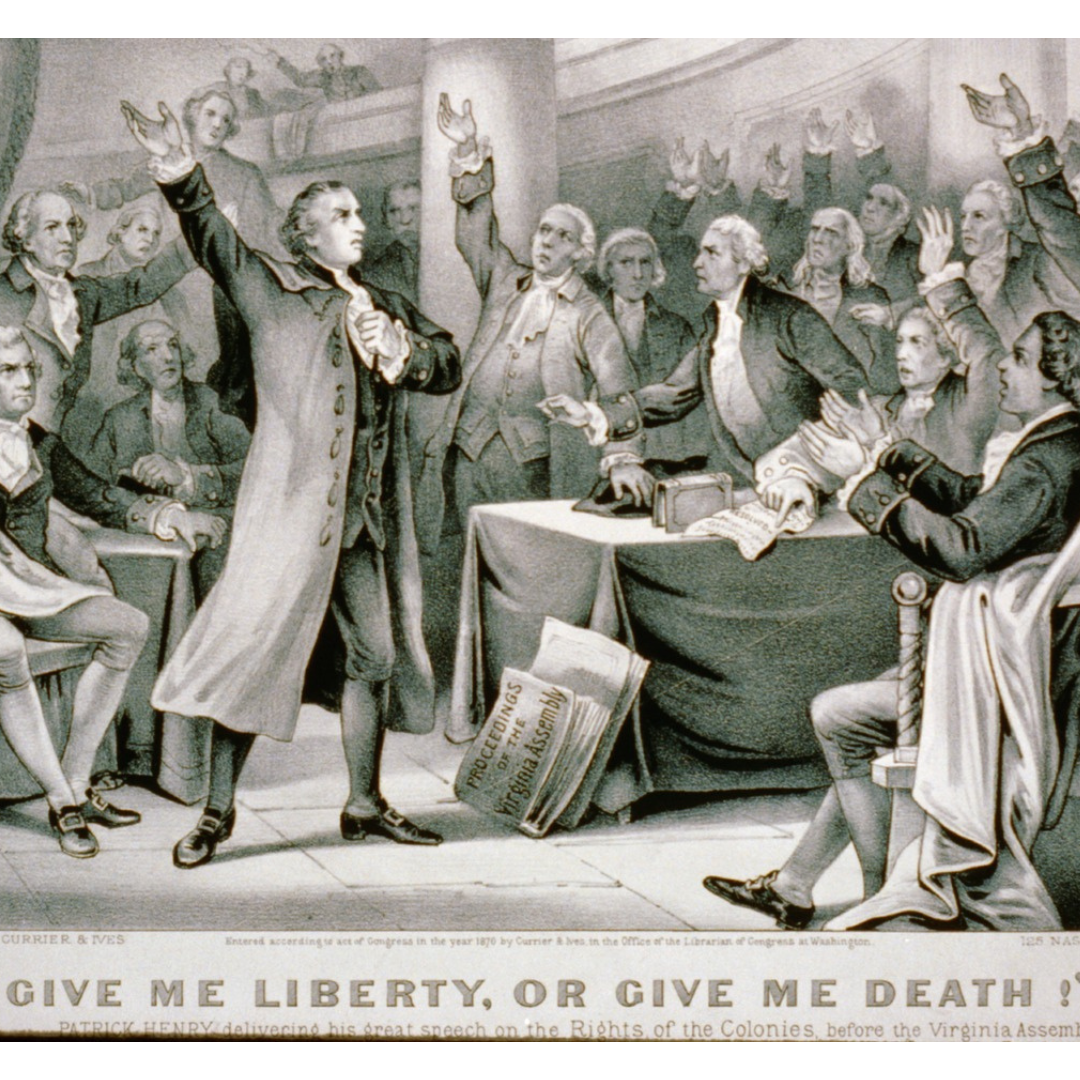
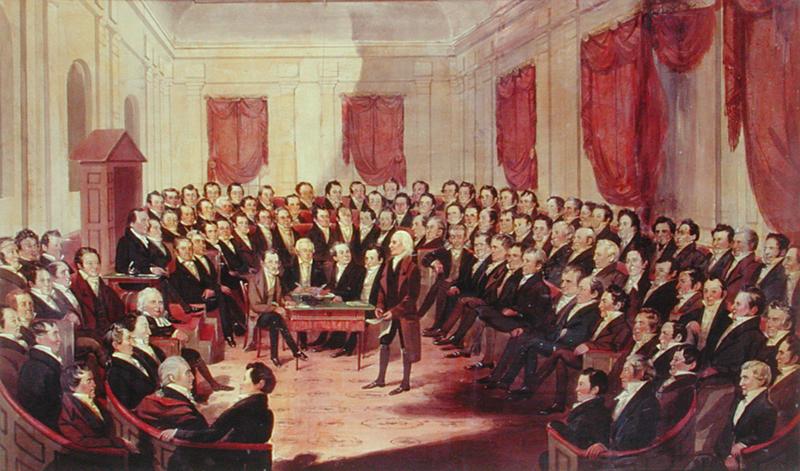
Patrick Henry Delivers “Give Me Liberty” Speech
Patrick Henry passionately calls for war against Britain at St. John’s Church, convincing many Virginians to prepare for armed resistance.
March 31, 1775
Colonial Militias Train Openly in Massachusetts
Militia musters become more frequent and visible, a deliberate show of force aimed at British troops stationed in Boston.
April 14, 1775
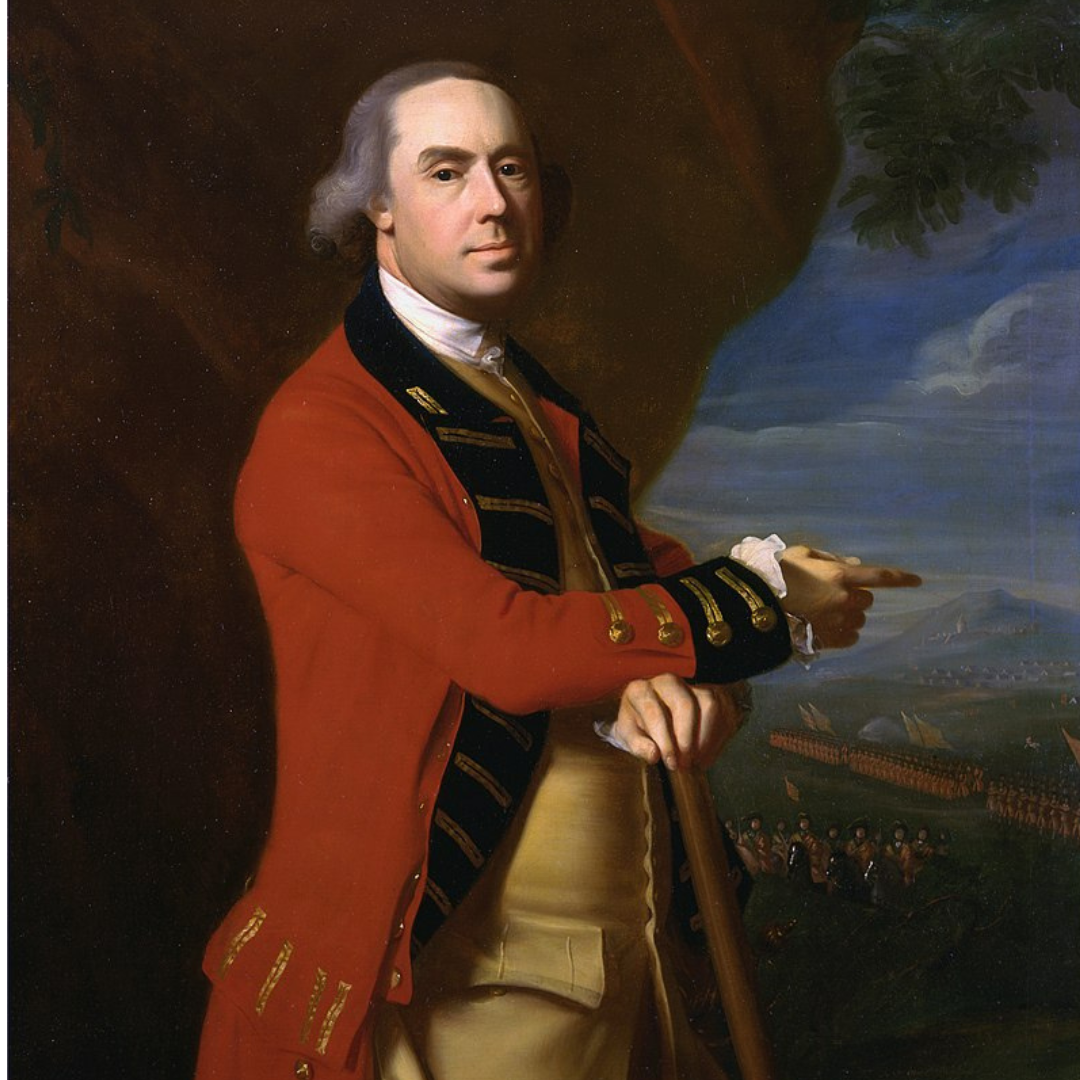
General Gage Receives Secret Orders to Crush the Rebellion
British officials in London instruct General Thomas Gage to seize colonial military supplies and arrest Patriot leaders in Massachusetts.
April 18, 1775
Paul Revere and William Dawes Begin Midnight Ride
Revere, Dawes, and later Samuel Prescott ride through the countryside to alert the militias of British troop movements toward Concord.
April 19, 1775
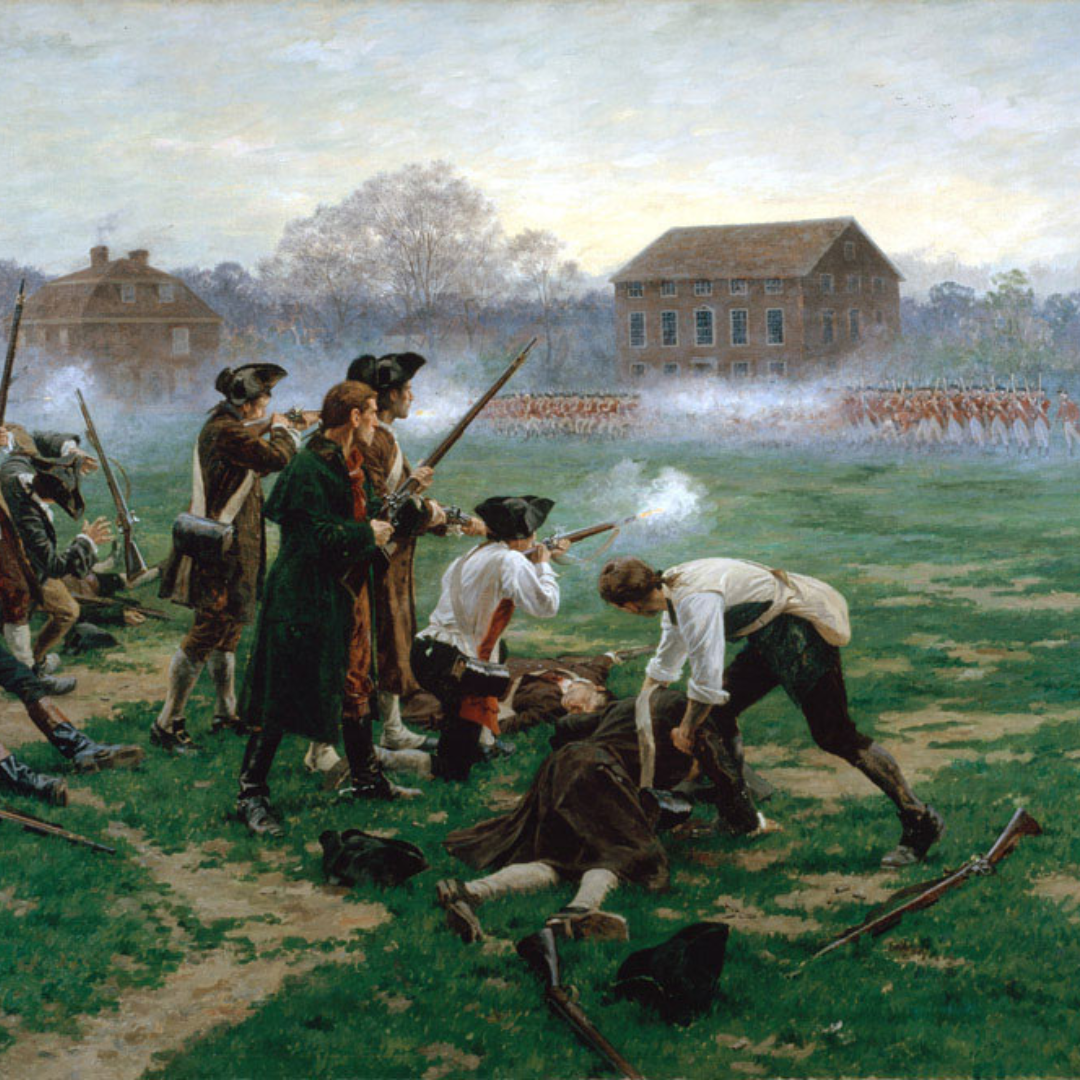
Battles of Lexington and Concord
Colonial militia confront British troops, marking the outbreak of the Revolutionary War with “the shot heard 'round the world.”
April 19, 1775
Start of the Siege of Boston
Thousands of colonial militiamen surround British forces in Boston, beginning a nearly year-long siege of the city.
April 20, 1775
Massachusetts Declares Itself at War
The Massachusetts Provincial Congress mobilizes troops and resources, formally transitioning from resistance to armed rebellion.
April 23, 1775
Massachusetts Calls for Continental Support
Leaders from Massachusetts send delegates to the Continental Congress to request unified military and political assistance.
April 26, 1775
News of Lexington and Concord Reaches New York and Philadelphia
Riders spread word of the battles, prompting colonial assemblies to raise militias and brace for a broader war.
April 28, 1775
Rhode Island Calls for the Raising of a Colonial Army
In solidarity with Massachusetts, Rhode Island votes to raise 1,500 men for collective colonial defense.
April 30, 1775
Patriots Seize Arms and Powder Across New England
Local militias confiscate British-controlled munitions, further arming the colonial resistance effort during the Siege of Boston.
May 10, 1775
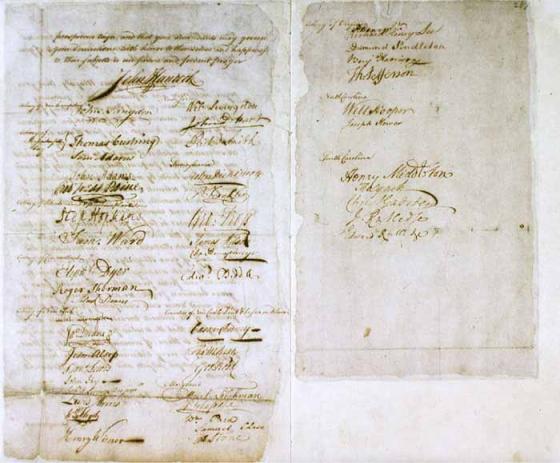
Second Continental Congress Convenes in Philadelphia
Delegates from all thirteen colonies assemble to coordinate the war effort, eventually forming a unified revolutionary government.
May 10, 1775
Capture of Fort Ticonderoga
Ethan Allen and Benedict Arnold lead the Green Mountain Boys to seize Fort Ticonderoga, securing crucial artillery without a fight.
May 11, 1775
Crown Point Captured by Patriots
American forces take another British fort on Lake Champlain, gaining more weapons to use against British forces in Canada and New York.
May 12, 1775
Ethan Allen Begins Push for Vermont Independence
Following the Ticonderoga victory, Allen publicly advocates for a new independent territory, laying early groundwork for Vermont’s creation.
May 15, 1775
Virginia Convention Supports Armed Resistance
Virginia’s political leaders authorize the raising of military regiments and call for all colonies to support active resistance.
May 17, 1775
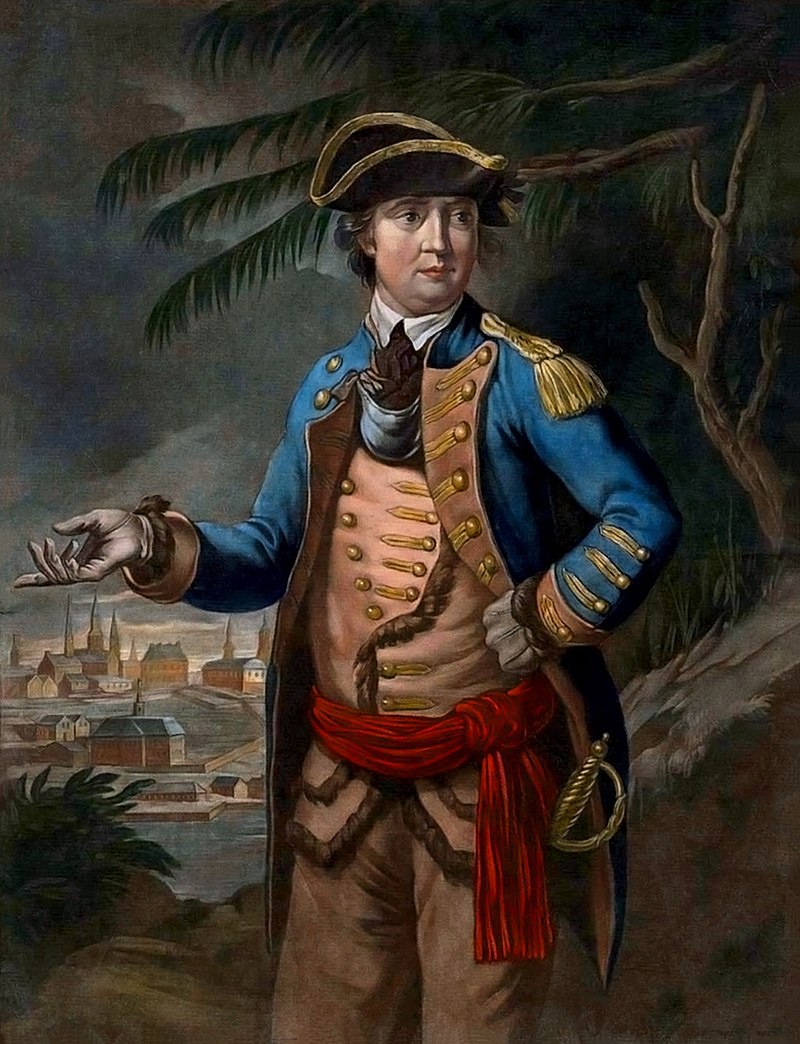
Benedict Arnold Proposes Invasion of Canada
Arnold submits a plan to the Continental Congress to invade Quebec, aiming to cut off British reinforcements from the north.
May 19, 1775
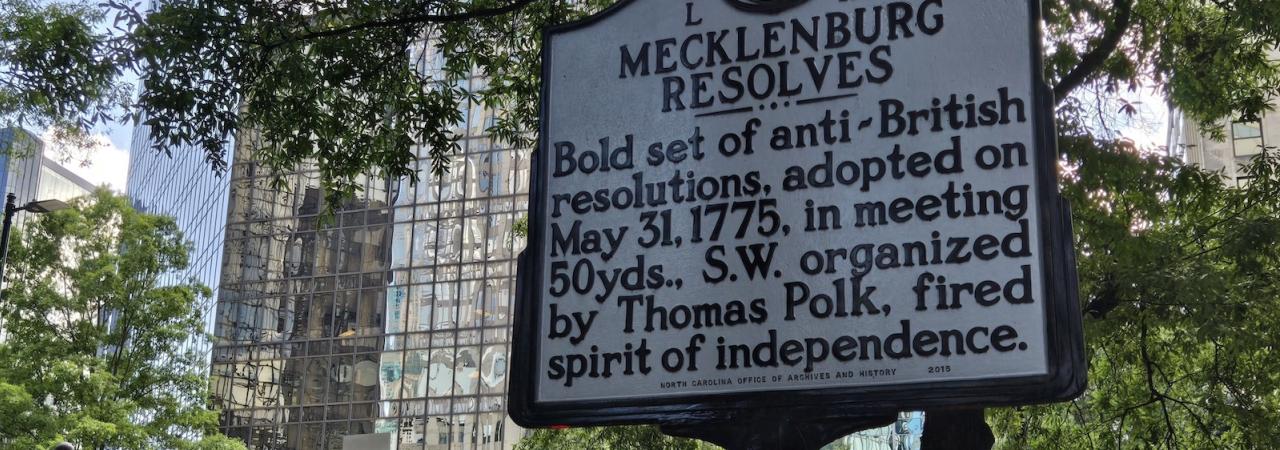
Mecklenburg Resolves Issued in North Carolina
Local leaders in Mecklenburg County declare British authority null and void, a bold early move toward full independence.
May 24, 1775
Continental Congress Assumes Control of Colonial Militias
Congress begins unifying disparate colonial militias under one command, laying the foundation for the Continental Army.
May 27, 1775
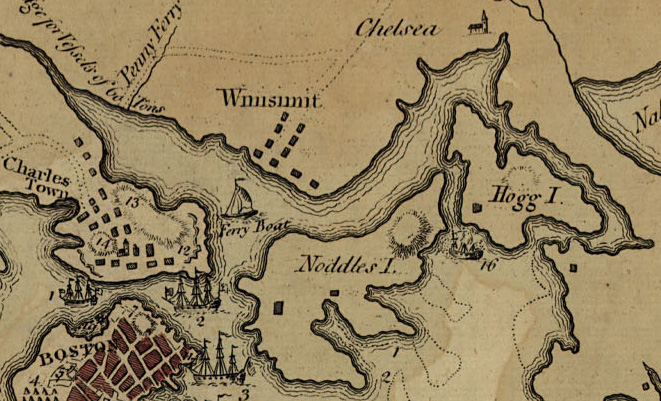
Battle of Chelsea Creek
American forces defeat British marines in a skirmish near Boston and capture valuable supplies from British supply ships.
May 31, 1775
Rhode Island Creates a State Army
Rhode Island officially establishes its own army, the first colony to do so, asserting independence in military organization.
June 2, 1775
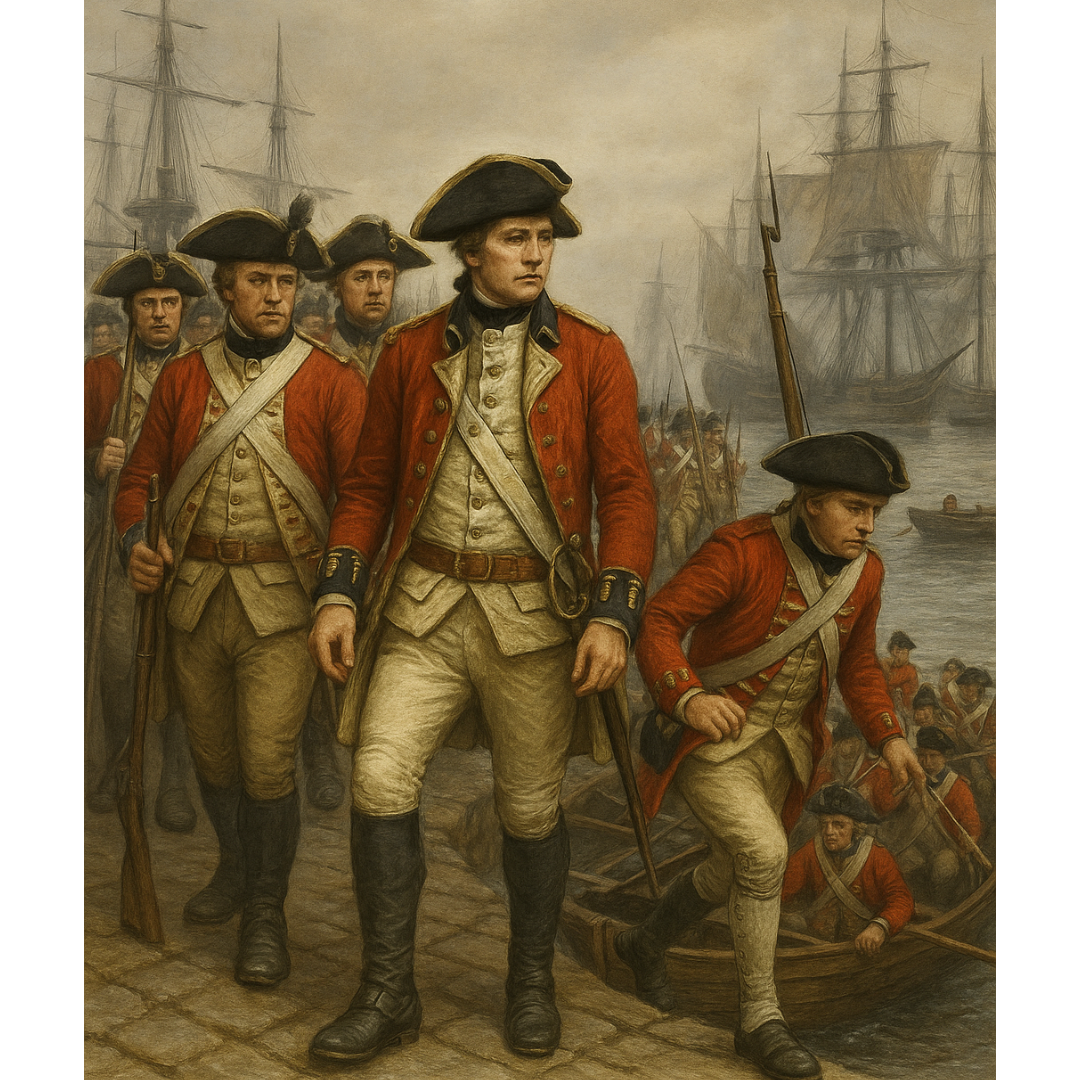
British Reinforcements Arrive in Boston
Thousands of additional British troops land in Boston, bolstering General Gage’s forces and escalating the colonial siege response.
June 3, 1775
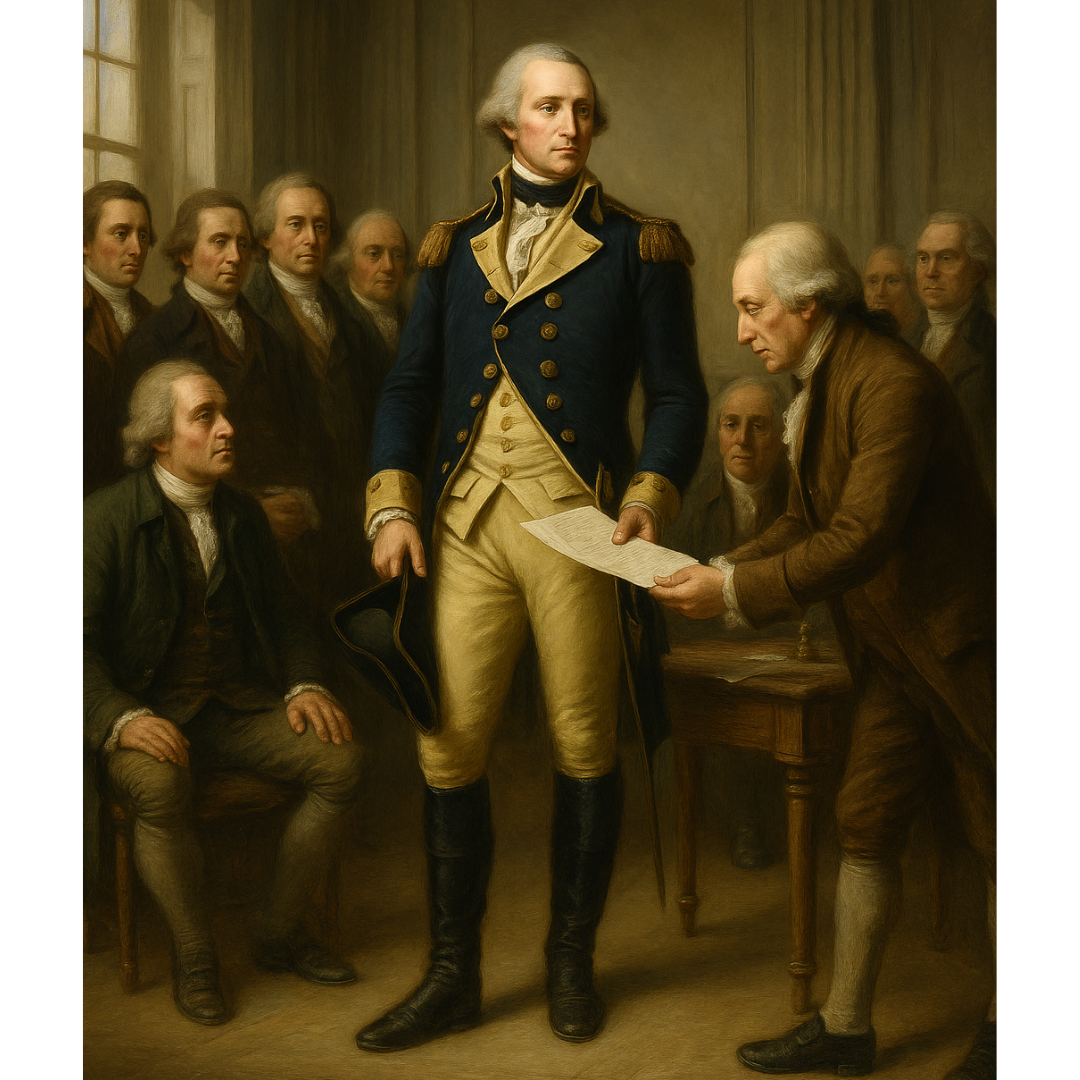
John Adams Nominates George Washington as Commander-in-Chief
In private conversations at the Continental Congress, John Adams champions George Washington as the ideal leader for the Continental Army.
June 12, 1775
General Gage Declares Martial Law in Massachusetts
General Gage offers a general pardon to rebels who surrender—excluding Samuel Adams and John Hancock—officially criminalizing resistance.
June 14, 1775
Continental Congress Creates the Continental Army
Congress adopts the New England militias besieging Boston, establishing a unified army to represent all thirteen colonies.
June 15, 1775
George Washington Appointed Commander-in-Chief
Congress unanimously selects George Washington to lead the newly formed Continental Army, uniting the colonies under a single military leader.
June 16, 1775
Colonial Forces Fortify Breed’s Hill
Militia units secretly construct defensive positions on Breed’s Hill, preparing to repel a British advance from Boston.
June 17, 1775
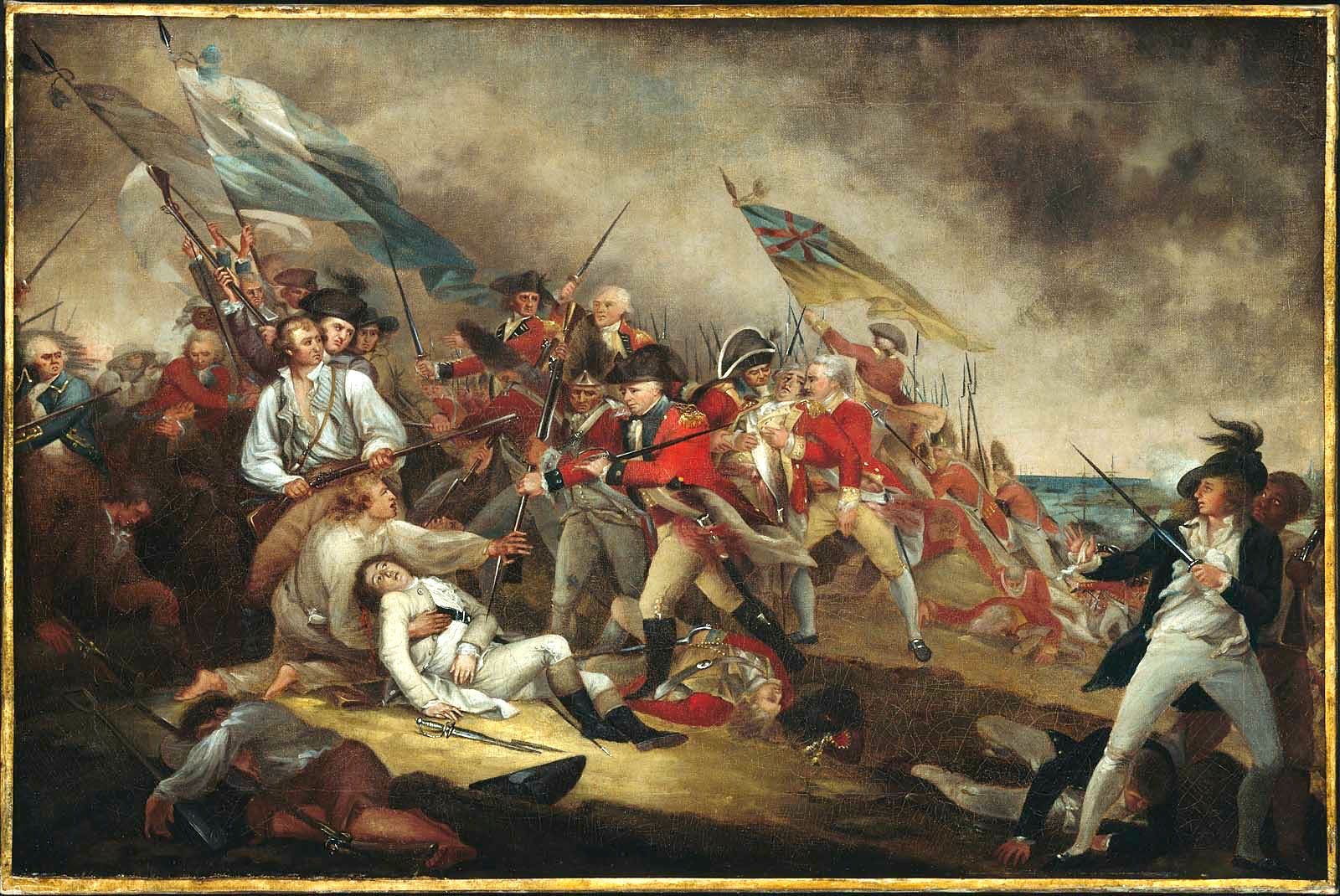
Battle of Bunker Hill
British troops suffer over 1,000 casualties in a costly victory, proving that American militiamen can fight effectively against regulars.
June 22, 1775
Continental Congress Votes to Issue Currency
Congress authorizes $2 million in paper currency to finance the war effort, establishing the first Continental currency system.
June 25, 1775
George Washington Departs to Take Command
Washington leaves Philadelphia and begins his journey north to assume leadership of the Continental Army outside Boston.
June 30, 1775
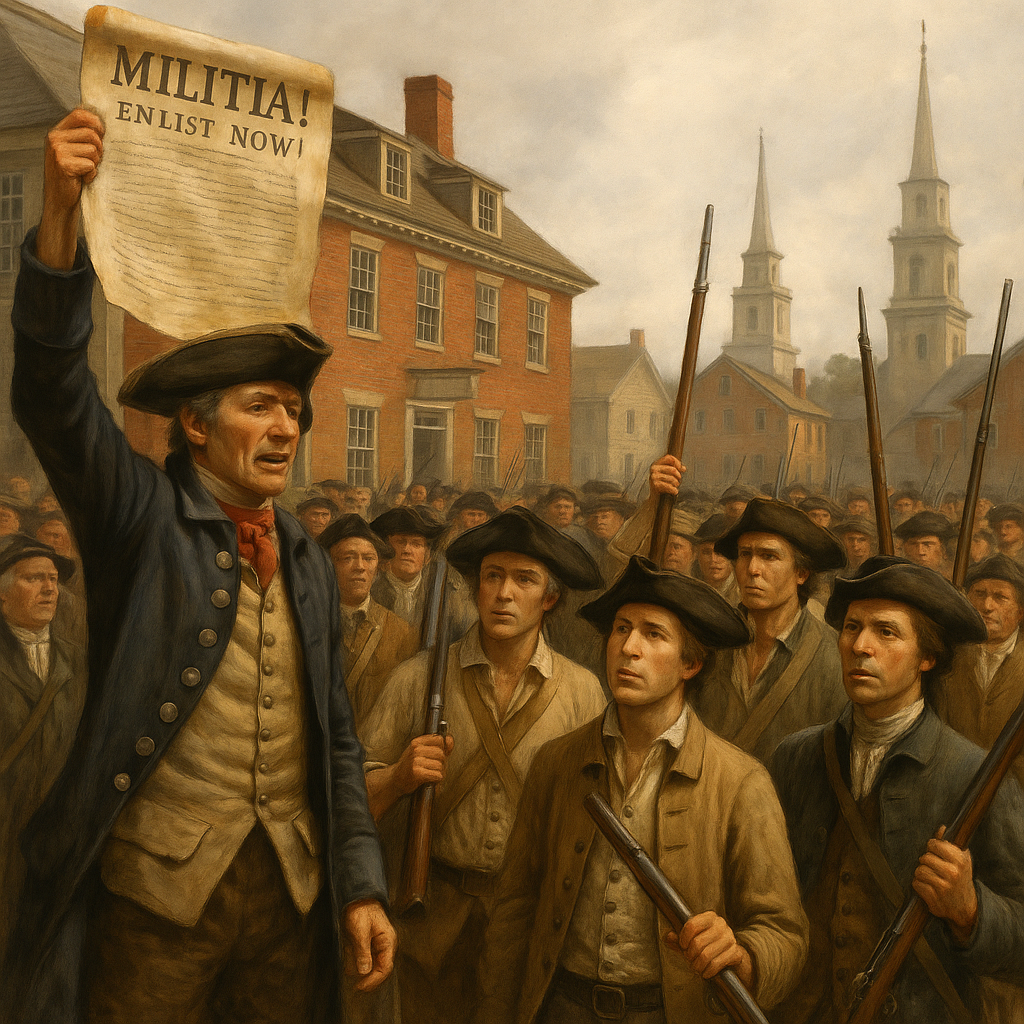
Militia Recruitment Surges Across the Colonies
The heavy British losses at Bunker Hill inspire widespread enlistment, expanding revolutionary forces across the northern and southern colonies.
July 3, 1775
George Washington Takes Command of the Continental Army
Washington formally assumes leadership of the besieging forces outside Boston, beginning the process of transforming them into a unified army.
July 5, 1775
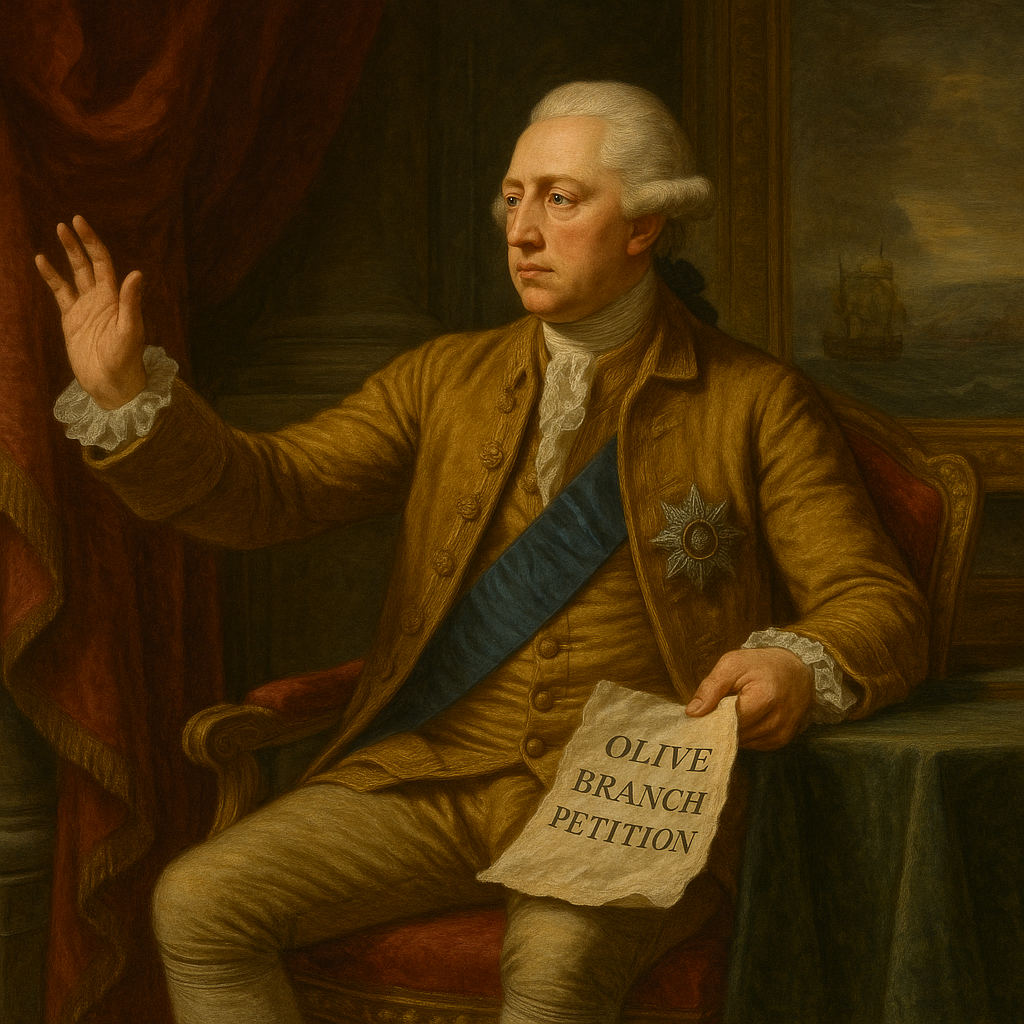
Olive Branch Petition Adopted by Continental Congress
Congress issues a final plea to King George III, expressing loyalty while requesting intervention to stop Parliament’s oppression.
July 6, 1775
Declaration of the Causes and Necessity of Taking Up Arms
Congress declares that the colonies have been forced to take up arms in self-defense against British tyranny, while still hoping for peace.
July 8, 1775
Olive Branch Petition Sent to London
The petition is sent to King George III via official couriers, though its reception will be cold and ultimately ignored.
July 12, 1775
First Naval Skirmish of the Revolution
American forces capture British sailors from HMS Falcon in Boston Harbor, marking one of the first naval engagements of the war.
July 13, 1775
Congress Approves Treaty Efforts with Native Tribes
The Continental Congress authorizes negotiations to secure Native American neutrality or support along the frontier.
July 18, 1775
Georgia Joins the Continental Congress
Georgia officially sends its delegation to the Continental Congress, becoming the thirteenth colony to join the united cause.
July 25, 1775
Washington Enforces Army Discipline
General Washington introduces formal military codes and training regimens to instill order and professionalism in the Continental Army.
August 1, 1775
Continental Army Establishes Chain of Command
General George Washington appoints key officers to organize the Continental Army’s structure and ensure command cohesion.
August 6, 1775
South Carolina Begins Fortifying Its Coastline
Colonial leaders in South Carolina initiate coastal defenses near Charleston to guard against anticipated British naval attacks.
August 9, 1775
Congress Recommends Raising Rifle Regiments
The Continental Congress encourages colonies to form riflemen units, especially from skilled frontier marksmen in Pennsylvania and Virginia.
August 14, 1775
Raid on St. John's Island (Canada)
American privateers raid British positions in Nova Scotia, disrupting enemy supply lines and probing northern defenses.
August 20, 1775
North Carolina Forms Provincial Council
North Carolina establishes a revolutionary governing body to direct the colony's war effort and replace royal authority.
August 23, 1775
King George III Issues Proclamation of Rebellion
The king formally declares that the American colonies are in open rebellion, authorizing the use of military force to suppress them.
August 25, 1775
Continental Congress Authorizes Naval Interception
Congress permits colonial vessels to intercept British supply ships, laying the groundwork for a Continental naval force.
August 28, 1775
Patriots in Massachusetts Confiscate Loyalist Property
Committees of Safety begin seizing the assets of Loyalists to fund the war effort and suppress internal opposition.
September 2, 1775
Congress Approves Expansion of the Continental Army
The Continental Congress authorizes additional regiments and logistical support to strengthen defenses and prepare for northern operations.
September 5, 1775
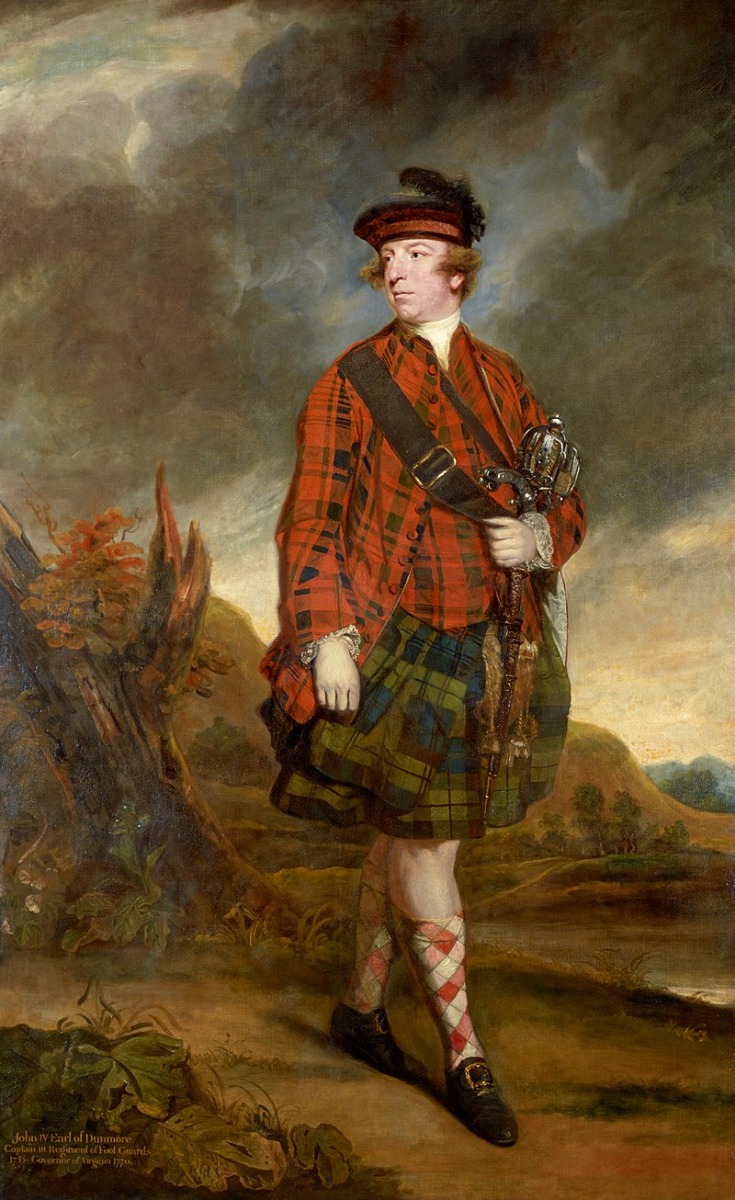
Governor Dunmore Flees Williamsburg, Virginia
Lord Dunmore escapes to a British ship after mounting Patriot resistance, effectively ending royal authority in Virginia.
September 8, 1775
Congress Appoints Indian Commissioners
Congress creates three regional commissions to engage Native tribes diplomatically and secure neutrality or support for the American cause.
September 11, 1775
Benedict Arnold Departs for Invasion of Canada
Arnold leads a daring march through the Maine wilderness toward Quebec as part of a coordinated plan to seize Canada.
September 14, 1775
British Burn Barracks on St. John’s Island
British troops destroy their own outposts in Nova Scotia to prevent their capture by American privateers operating in the region.
September 16, 1775
Skirmishes at Lake George
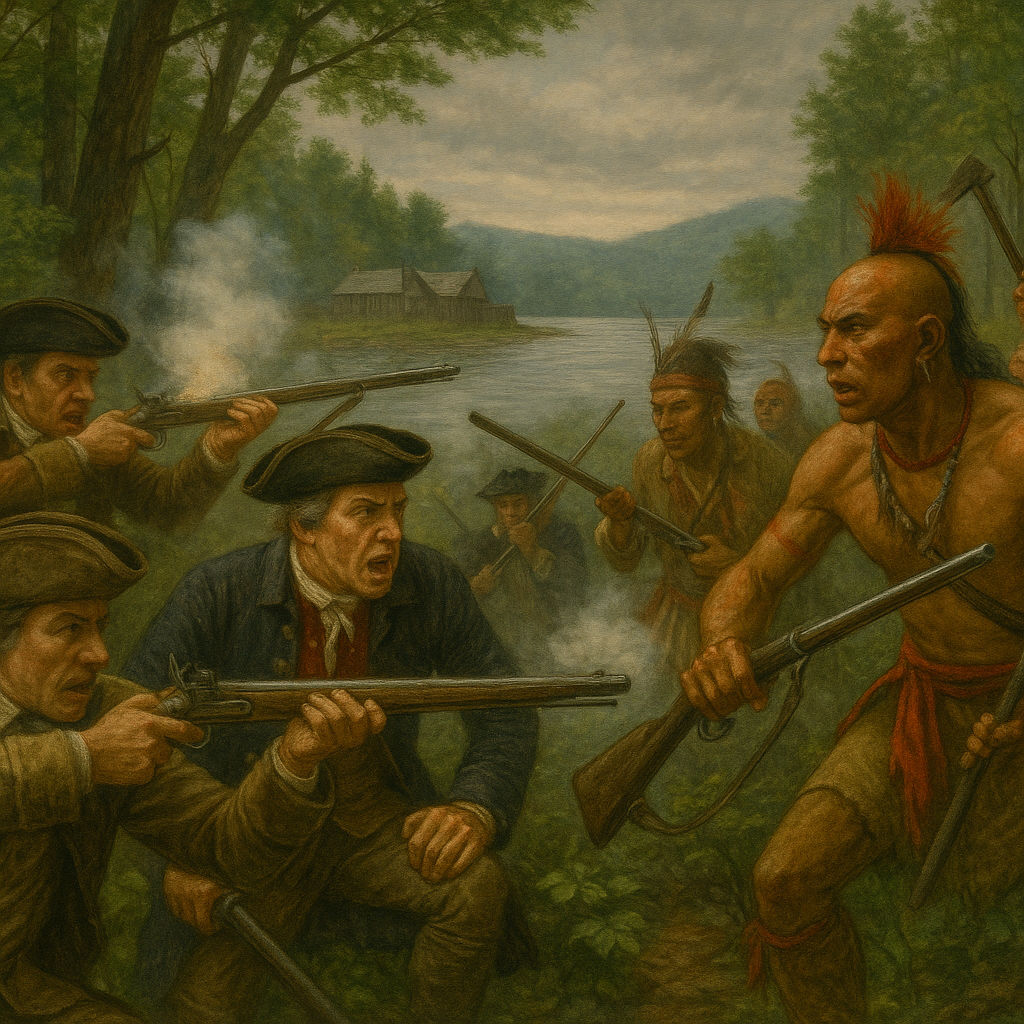
American and Iroquois-aligned British forces clash in minor engagements near Fort Ticonderoga as control of the frontier remains contested.
September 21, 1775
Ethan Allen Captured During Failed Raid on Montreal
Allen's surprise attack on Montreal ends in defeat, and he is captured by British troops and imprisoned.
September 24, 1775
Congress Establishes a Committee on Secret Correspondence
A new congressional committee is formed to initiate covert diplomacy with European nations in search of foreign support.
September 27, 1775
General Richard Montgomery Begins Invasion of Canada
Montgomery leads Continental forces north from Fort Ticonderoga in the second prong of the campaign to capture Quebec.
October 4, 1775
Congress Considers Establishing a Continental Navy
Delegates begin debating proposals to create a naval force to disrupt British shipping and defend colonial coastlines.
October 10, 1775
Congress Appoints a Naval Committee
The Continental Congress forms a naval committee to draft plans for building and outfitting a national naval fleet.
October 13, 1775
Continental Congress Authorizes a Navy
Congress officially establishes the Continental Navy, commissioning vessels to intercept British supply ships.
October 16, 1775
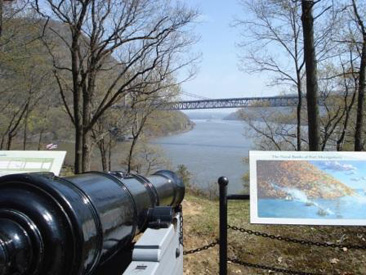
Patriots Begin Construction of Forts Along the Hudson River
American forces start building fortifications along the Hudson River, including near West Point, to protect against British invasion from the north.
October 18, 1775
Burning of Falmouth (Portland, Maine)
The British Navy bombards and sets fire to the town of Falmouth in retaliation for colonial attacks, inflaming revolutionary sentiment.
October 21, 1775
Congress Recommends Arming Privateers
Congress urges colonial governments to authorize privateers to raid British shipping, expanding the war to the seas.
October 26, 1775
King George III Rejects the Olive Branch Petition
The king formally rejects the colonists' plea for peace, declaring that the American rebellion must be crushed by force.
October 27, 1775
Royal Navy Blockade of the American Coast Declared
Britain announces a blockade of American ports, aiming to strangle colonial trade and weaken the revolutionary cause.
October 30, 1775
North Carolina Establishes Independent Governance
North Carolina's Provincial Congress assumes full legislative control, ending royal rule and declaring itself the legitimate government.
November 3, 1775
Congress Authorizes a Committee to Oversee Naval Affairs
The Continental Congress expands its naval committee’s authority to manage ship construction, supply procurement, and command appointments.
November 7, 1775
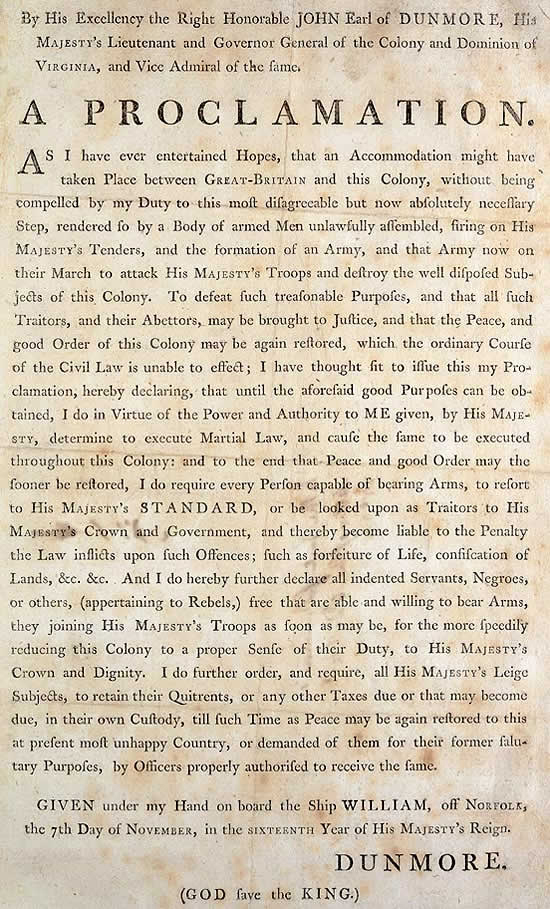
Lord Dunmore Issues His Proclamation in Virginia
Virginia’s royal governor offers freedom to enslaved people who join British forces, escalating tensions and driving Southern colonists toward independence.
November 10, 1775
Continental Marines Established
Congress creates two battalions of Continental Marines, establishing a naval infantry force that would become the U.S. Marine Corps.
November 11, 1775
New England Militiamen Invade Canada from Lake Champlain
General Richard Montgomery leads Continental troops northward, capturing key forts and moving steadily toward Quebec.
November 14, 1775
British Forces Evacuate Fort St. John (Canada)
After a prolonged siege, British forces surrender Fort St. John to Montgomery’s army, opening the route to Montreal.
November 17, 1775
Patriots Seize Montreal
Montgomery’s army enters Montreal without resistance, giving the Continental Army control of Canada’s second-largest city.
November 22, 1775
South Carolina Mobilizes Against Loyalist Threats
Patriot militias organize to confront loyalist uprisings in the backcountry, securing revolutionary control in the South.
November 23, 1775
Congress Declares Inter-Colonial Trade Open
In defiance of the British blockade, Congress encourages trade between colonies and foreign Caribbean partners.
November 29, 1775
Congress Forms Committee of Secret Correspondence
Congress creates a covert diplomatic body to initiate communications with European powers, seeking foreign support for the revolution.
December 1, 1775
Congress Encourages Paper Money Circulation
The Continental Congress urges colonies to accept and circulate Continental currency to support the war effort and unify the economy.
December 5, 1775
Congress Recommends Creating Independent Governments
Congress advises colonies without effective royal rule to establish provisional governments based on the will of the people.
December 9, 1775
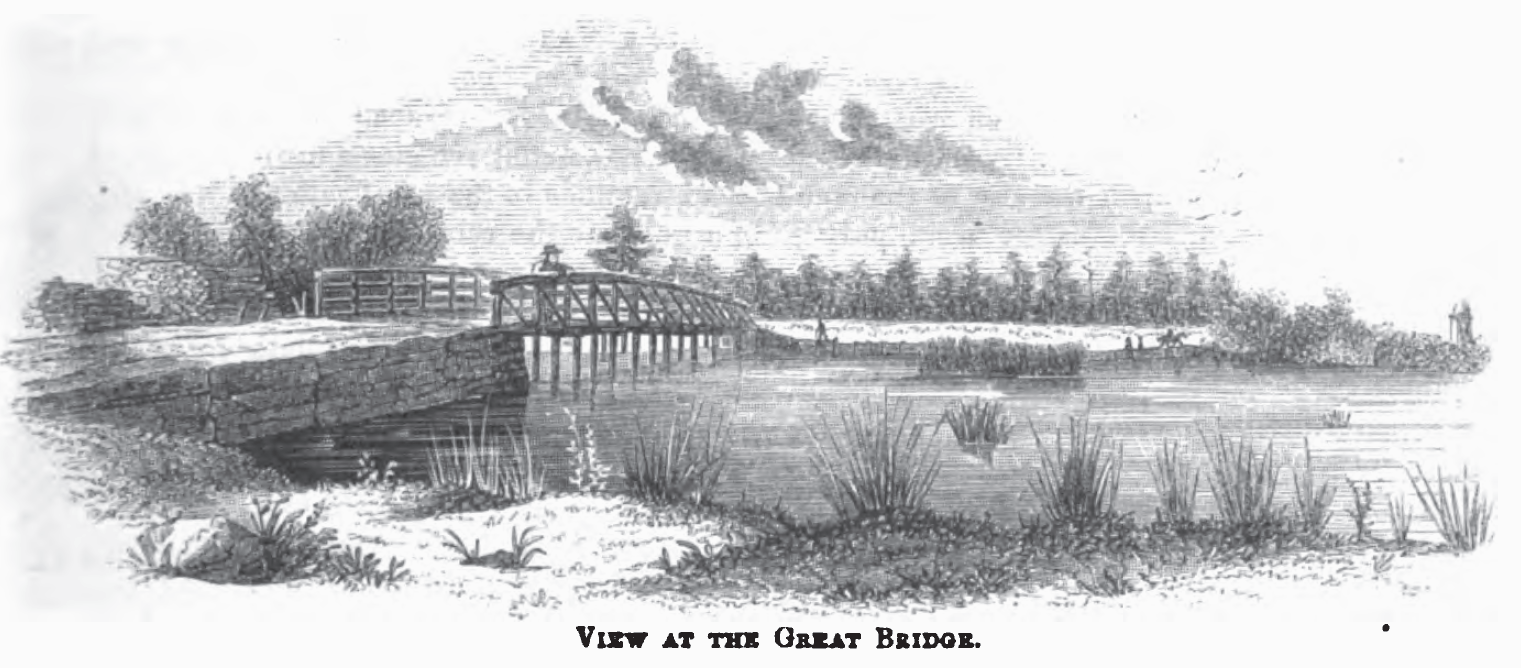
Battle of Great Bridge (Virginia)
Patriot forces decisively defeat Lord Dunmore’s British troops near Norfolk, ending major British resistance in Virginia.
December 10, 1775
British Forces Retreat from South Carolina Interior
After several defeats, loyalist forces retreat, allowing Patriot governments to consolidate control in the southern colonies.
December 11, 1775
Congress Dispatches Diplomats to France and Spain
The Secret Correspondence Committee sends agents abroad to begin building diplomatic ties and seek financial and military support.
December 22, 1775
Congress Approves First Official Naval Mission
The Continental Navy is ordered to intercept British transports and seize supplies, marking its first official operation.
December 30, 1775
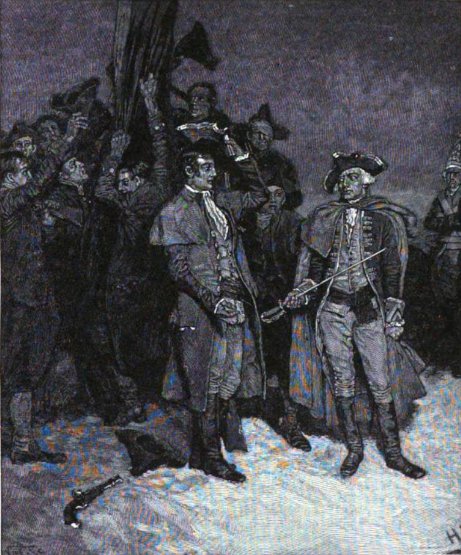
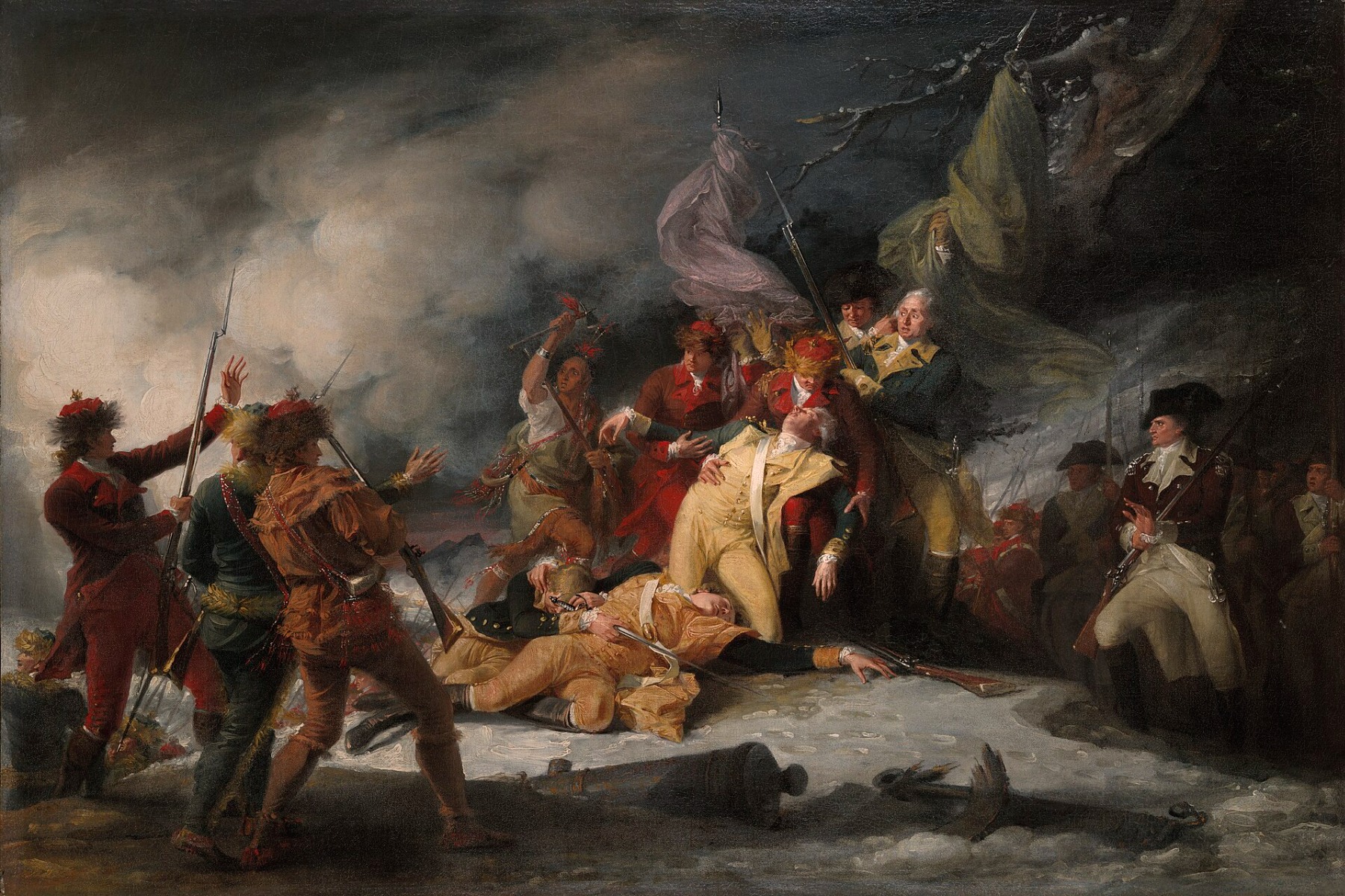
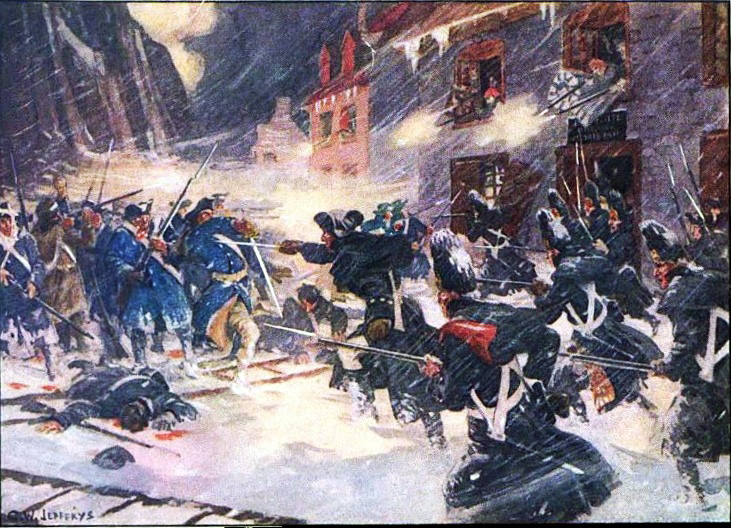
American Forces Launch Attack on Quebec
General Montgomery and Colonel Benedict Arnold lead an assault on Quebec City during a snowstorm, hoping to capture the city by surprise.
December 31, 1775
Battle of Quebec Ends in American Defeat
The failed attack results in Montgomery’s death, Arnold’s injury, and heavy losses, ending hopes of bringing Canada into the revolution.